Worldwide Progressive Jackpot Pools Reaching UK Players Through Cross-Border Casino Networks
Written by Jonas Foster · Aug 14, 2026
Worldwide Progressive Jackpot Pools Reaching UK Players Through Cross-Border Casino Networks
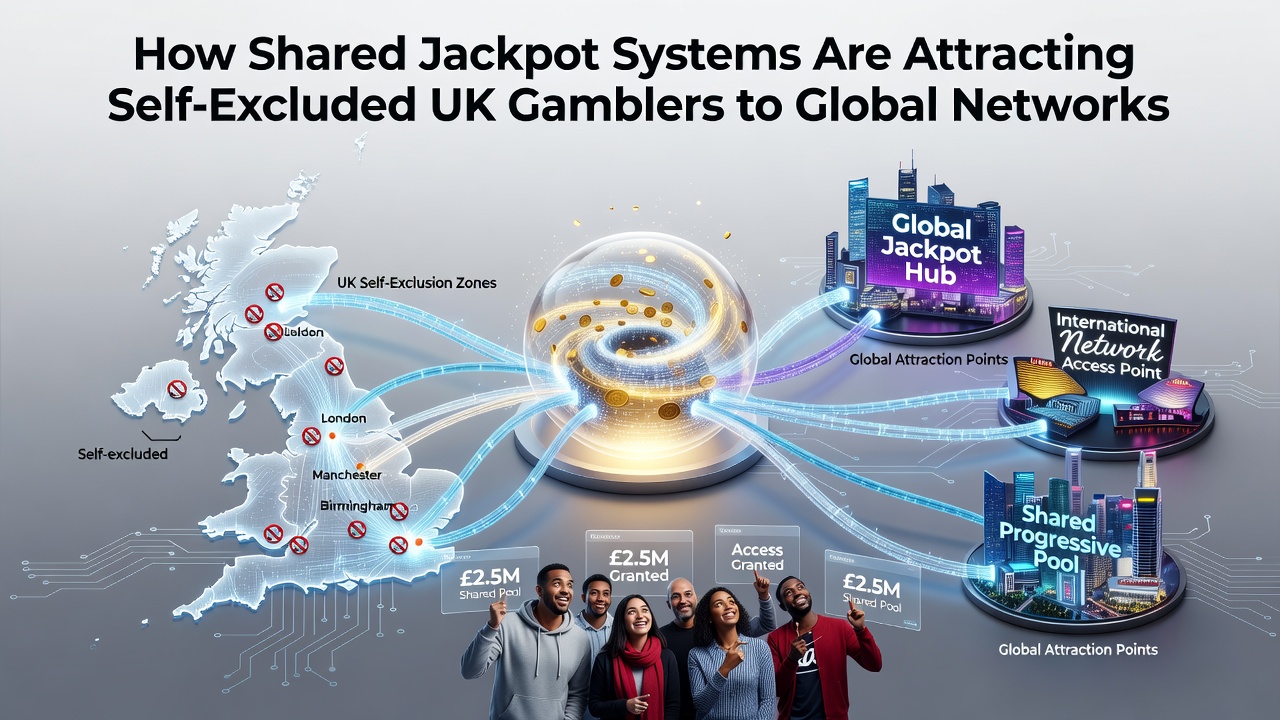
Data from industry tracking firms shows that shared jackpot systems, often called progressive pools, link slot machines and table games across dozens of licensed operators in multiple jurisdictions, allowing prize pools to grow faster than those confined to single sites or single countries, and figures released in August 2026 indicate these networks now surpass £50 million in combined value on several major platforms.
Mechanics Behind Shared Jackpot Growth
Operators contribute a percentage of each wager into a central pool managed by third-party providers such as Microgaming or NetEnt, while the jackpot climbs until triggered by a qualifying spin or hand, and analysts note that this structure creates larger top prizes than standalone machines can offer, drawing attention from players who seek bigger potential returns despite existing self-exclusion registrations in their home market.
Player Movement Patterns Documented in Recent Reports
Research conducted by the European Gaming and Betting Association tracks increased traffic from UK IP addresses to sites operating under licenses issued in Malta, Gibraltar, and Curacao, where progressive jackpot games form a core offering, and the data reveals that participation spikes coincide with periods when UK self-exclusion lists reach record numbers, although direct causation remains unproven in peer-reviewed studies.
One report from the Responsible Gambling Council in Canada examined similar cross-border flows in 2025 and found that players already registered in national exclusion programs sometimes access international networks through accounts registered with alternative verification methods, while jackpot visibility on aggregator sites appears to influence initial visits according to clickstream analysis.
Regulatory Differences Across Jurisdictions
Licensing bodies in offshore territories maintain lighter restrictions on jackpot sharing compared with domestic frameworks, allowing networks to accumulate contributions from a wider player base, and observers point out that this regulatory variation enables pools to reach multimillion-pound levels within weeks rather than months, a pace documented in operator transparency reports submitted to authorities in the Isle of Man and Alderney during the first half of 2026.
Meanwhile, academic papers published by the University of Nevada's International Gaming Institute outline how progressive systems operate under strict payout verification protocols in regulated markets, yet those same systems appear on platforms that do not participate in UK self-exclusion databases, creating parallel access routes for individuals who remain on national registers.
Technical Infrastructure Supporting Cross-Border Pools
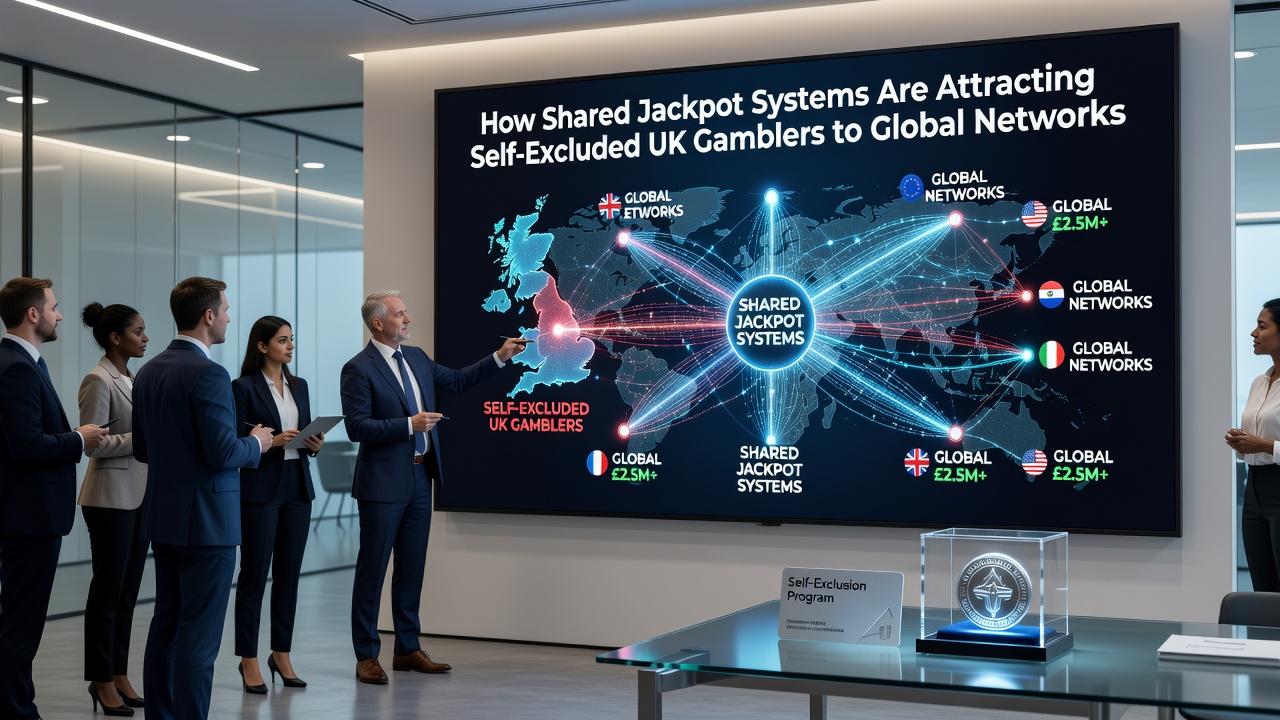
Software providers deploy centralized servers that collect real-time wager data from participating casinos, calculate contributions automatically, and display current jackpot amounts on game interfaces, while encryption standards and random number generator audits certified by bodies such as eCOGRA ensure fairness claims, and these technical layers allow seamless integration across operators without requiring players to switch between isolated systems.
Network operators report that API connections between platforms reduce latency issues during jackpot updates, and logs from August 2026 monitoring cycles show uptime rates above 99.8 percent for major shared pools, according to service level agreements published by the suppliers themselves.
Marketing and Visibility Channels
Aggregator websites and affiliate networks list progressive jackpot games with live counters that update continuously, making the growing prize visible to anyone browsing, and search engine data indicates rising queries for terms related to international jackpot slots from UK locations even as domestic advertising restrictions remain in place, with industry white papers from the World Lottery Association noting similar patterns in other regulated regions.
Push notifications and email campaigns from offshore operators highlight recent jackpot wins paid to players in various countries, although verification of recipient locations relies on operator statements rather than independent audits in every case.
Conclusion
Shared jackpot systems continue to expand through technical links between licensed operators worldwide, and available statistics point to growing participation from players located in jurisdictions with strict self-exclusion tools, while regulatory, technical, and visibility factors combine to sustain these networks as documented in multiple third-party reports through August 2026.