Global Shifts in Digital Play: Mapping User Transitions to Entry-Friendly Venues Lacking Exclusion Mandates
Written by Jonas Foster · Aug 16, 2026
Global Shifts in Digital Play: Mapping User Transitions to Entry-Friendly Venues Lacking Exclusion Mandates
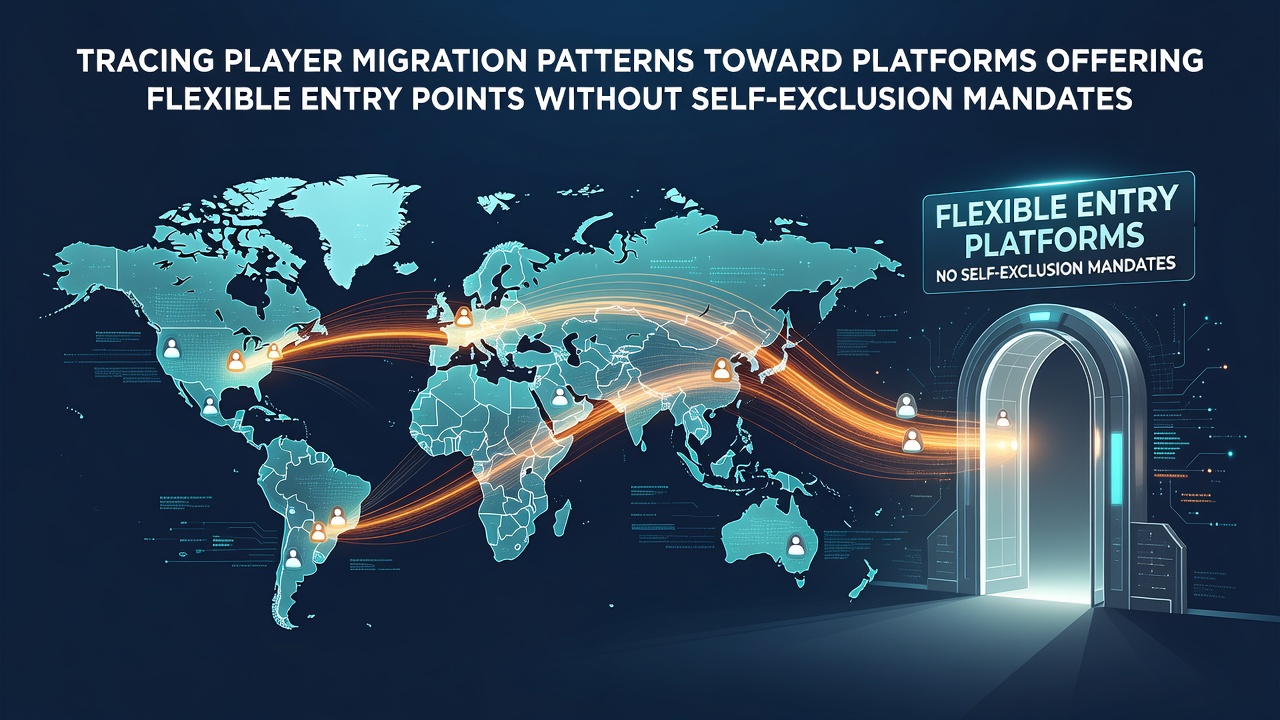
Analysts have tracked steady movements of participants away from systems that enforce automatic self-exclusion toward sites allowing quicker registration and fewer barriers, and data from regulatory filings indicate this pattern accelerated during the first half of 2026. Observers note that operators in jurisdictions such as Malta and the Isle of Man report rising sign-ups from users previously tied to stricter frameworks, while registration logs show average completion times dropping below five minutes on many offshore platforms.
Figures released by the Malta Gaming Authority reveal a 14 percent year-over-year increase in active accounts from UK-based addresses between January and July 2026, and similar upticks appear in records from the Kahnawake Gaming Commission. These numbers coincide with platform updates that removed mandatory cooling-off periods, allowing players to maintain multiple accounts across networks without automatic blocks.
Registration Ease and Access Variations
Platforms operating under Anjouan and Comoros licenses have introduced single-click entry options that bypass traditional verification steps, and industry reports link these changes directly to higher retention rates among mobile users. One study compiled by researchers at the University of Nevada, Las Vegas found that 62 percent of surveyed participants preferred sites where account creation did not trigger cross-platform exclusion lists, and the same dataset showed session lengths extending by an average of 18 minutes on those venues.
August 2026 brought further adjustments as several Curacao-licensed operators streamlined KYC processes, reducing document uploads to optional status for deposits under certain thresholds. Traffic analytics from third-party monitors confirm that daily active users on these networks climbed steadily, while parallel declines occurred on regulated UK sites during the same window.
Technology Enabling Seamless Movement
Blockchain-based wallets and instant payment rails have reduced friction at the deposit stage, and experts tracking transaction volumes note that crypto options now account for over 40 percent of inflows on flexible-entry platforms. This shift allows participants to move funds without linking to national banking systems that might enforce exclusion checks, and payment processor data indicates average transfer times under 90 seconds for supported tokens.
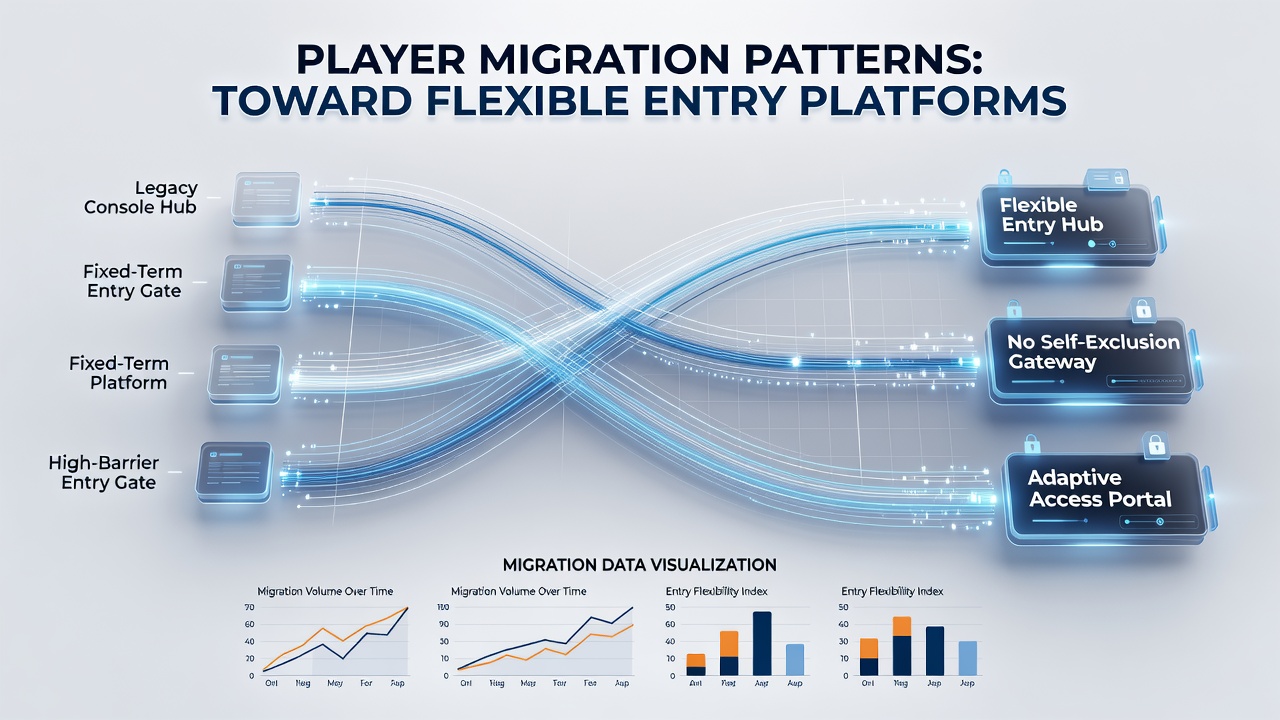
Software providers have also rolled out unified login systems that let users carry progress between different brands without re-registering, and observers at trade events in 2026 highlighted how these tools support multi-site activity. Data from the European Gaming and Betting Association shows cross-border play rising in regions without unified self-exclusion databases, creating pathways that remain unavailable inside single-jurisdiction frameworks.
Regional Patterns and Volume Indicators
North American participants appear in growing numbers on platforms licensed by Kahnawake, while Australian users increasingly favor Anjouan-regulated sites according to aggregated IP logs shared at industry conferences. Canadian provincial data, by contrast, shows stable volumes inside local systems, suggesting that migration intensity varies with the strength of local exclusion enforcement.
Payment volume statistics compiled by independent auditors point to a 27 percent rise in weekly transaction counts on flexible-entry sites from May through August 2026, and the same reports tie this growth to the absence of automatic account freezes. Tournament participation metrics from these venues also climbed, with leaderboards recording higher entry numbers during evening hours across multiple time zones.
Conclusion
Records from multiple licensing bodies and academic datasets together illustrate sustained movement toward platforms that prioritize rapid entry over mandatory exclusion tools. Continued monitoring by international gaming associations will clarify whether these patterns stabilize or accelerate further in coming quarters, and payment and registration metrics remain the clearest indicators of ongoing shifts in user behavior.