Blockchain Tournaments Open Fresh Pathways for UK Users in International Offshore Gaming Scenes
Written by Petra Bennett · Nov 2, 2026
Blockchain Tournaments Open Fresh Pathways for UK Users in International Offshore Gaming Scenes
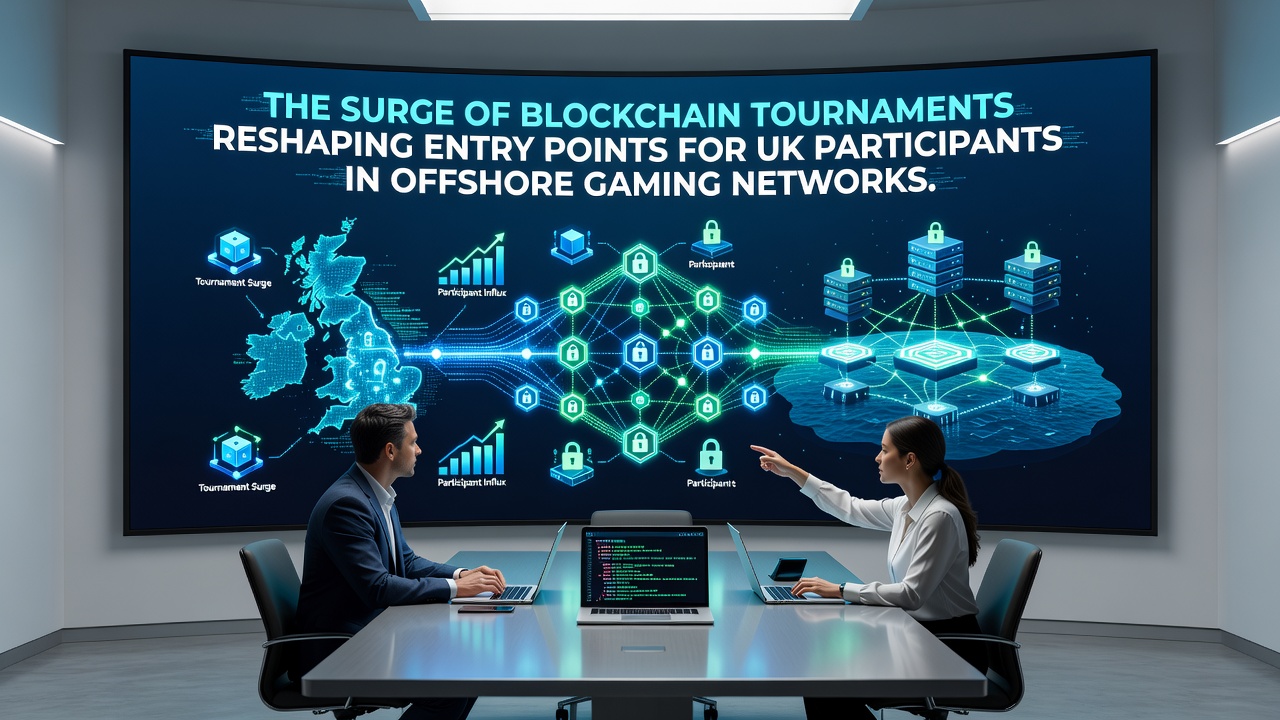
Blockchain tournaments have gained momentum as structured competitions that integrate smart contracts and decentralized ledgers into offshore gaming platforms, creating direct entry routes for UK participants who seek alternatives outside conventional self-exclusion systems. These events rely on transparent prize pools funded through cryptocurrency deposits, and they operate across networks licensed in jurisdictions such as Malta and the Isle of Man where regulatory frameworks permit broader access for international users.
Data from industry tracking services shows participation from UK-based accounts rose steadily through 2025 and into late 2026, driven by lower minimum entry thresholds that often start at fractions of a bitcoin or equivalent stablecoins. Observers note that the technology reduces intermediary verification steps because wallet addresses handle both deposits and automated payouts once tournament conditions are met through predefined code.
Mechanics Behind Tournament Entry and Prize Distribution
Smart contracts execute rules automatically when players join via blockchain addresses, which means registration occurs without traditional account forms in many cases. Participants connect digital wallets, commit entry fees, and compete in formats ranging from slot leaderboards to poker-style brackets where outcomes are recorded on immutable chains. This structure allows real-time verification of results, and winners receive distributions that bypass manual approval processes common in older platforms.
Figures released by the European Gaming and Betting Association in its 2026 mid-year review indicate that blockchain-enabled events accounted for roughly 18 percent of new user registrations on offshore sites during the first three quarters of the year. The report highlights how these tournaments function as low-friction gateways because they accept multiple cryptocurrencies and settle balances within minutes rather than days.
Shifts Observed in November 2026 Participation Patterns
By November 2026 records from platform analytics firms revealed a further uptick in UK wallet connections during seasonal promotions tied to major blockchain tournaments. These events frequently feature progressive prize pools that grow with each additional entrant, creating incentives that draw repeat participation across different offshore operators. Analysts at the University of Nevada Las Vegas International Gaming Institute documented similar trends in global data sets, noting that decentralized tournaments attract users who prefer verifiable fairness over centralized random number generators.
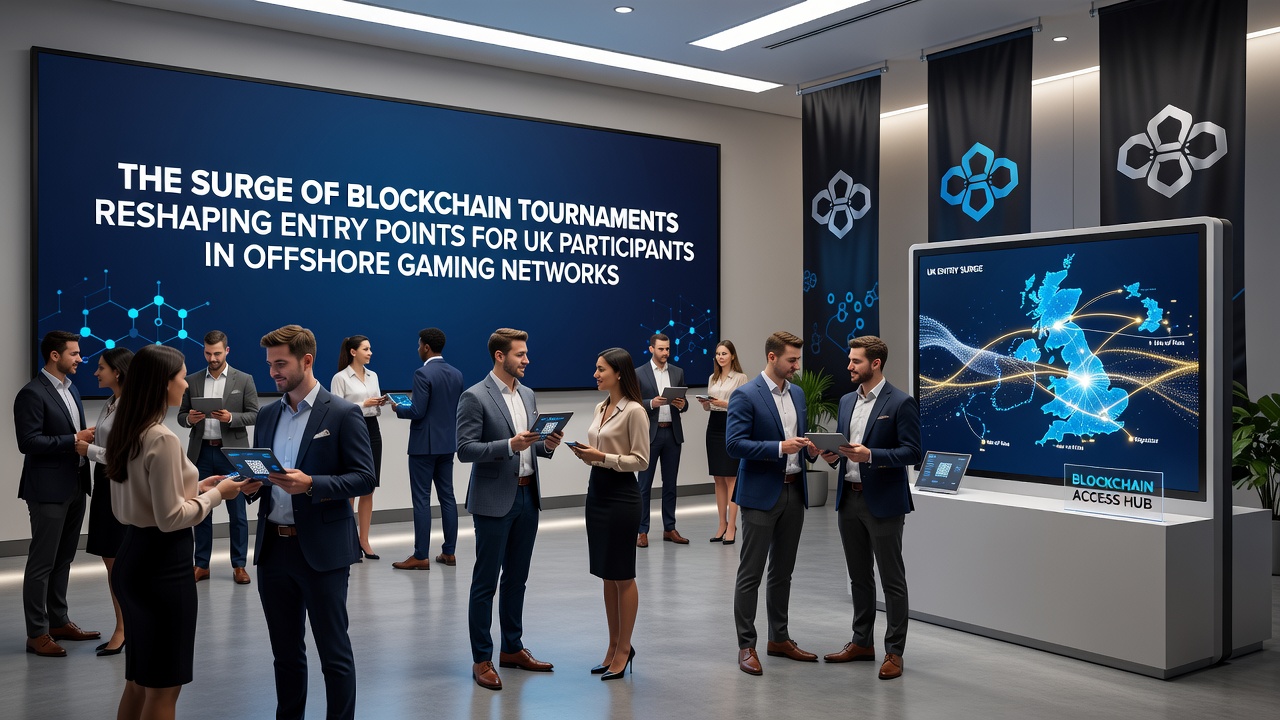
Entry points have diversified because some networks now support cross-chain bridges that let UK participants move assets from Ethereum-based wallets directly into tournament contracts hosted on faster layer-two solutions. This technical flexibility lowers transaction costs and speeds confirmation times, which in turn supports higher volumes of micro-entries that were previously impractical on proof-of-work chains alone.
Regulatory Context Across Different Jurisdictions
Offshore operators maintain licenses from authorities in the Caribbean and Asia-Pacific regions where blockchain gaming receives explicit recognition in updated statutes. These frameworks require proof of player fund segregation on public ledgers yet impose fewer restrictions on geographic participation than domestic systems in parts of Europe and North America. Research published by Singapore's Infocomm Media Development Authority on digital asset usage in entertainment sectors found that transparent tournament ledgers help platforms demonstrate compliance during periodic audits without exposing individual player identities beyond wallet hashes.
UK participants therefore encounter fewer onboarding barriers when they select platforms that embed tournament modules into their core offerings. The combination of automated settlements and multi-currency support has expanded the range of accessible events, including weekly leaderboards and seasonal championship brackets that run continuously across time zones.
Technical Advantages Driving Wider Adoption
Decentralized applications hosting these competitions log every bet and outcome as timestamped transactions, which provides an auditable trail that independent verifiers can review without requesting data from central servers. Such features appeal to users who value transparency, and they have contributed to the formation of dedicated communities that track tournament histories across multiple offshore sites. Platform operators report that integration of non-fungible tokens as entry tickets or achievement badges further extends engagement by allowing winners to trade or display their credentials on secondary markets.
Overall growth metrics compiled through 2026 point to sustained interest from UK addresses, particularly during periods when traditional banking channels face processing delays. The infrastructure continues to evolve with upgrades to consensus mechanisms that prioritize speed and energy efficiency while maintaining the core properties of immutability and public verifiability.
Conclusion
Blockchain tournaments continue to function as evolving mechanisms that connect UK participants to offshore gaming networks through wallet-based entry systems and automated prize mechanics. Their expansion reflects broader adoption of distributed ledger technology in digital entertainment sectors, supported by licensing regimes outside the United Kingdom and documented increases in cross-border activity through the end of 2026.