Affiliate Influence Maps: Tracing How UK Players Find Their Way to GamStop-Free Casino Destinations
Written by Jakob Frank · Aug 19, 2026
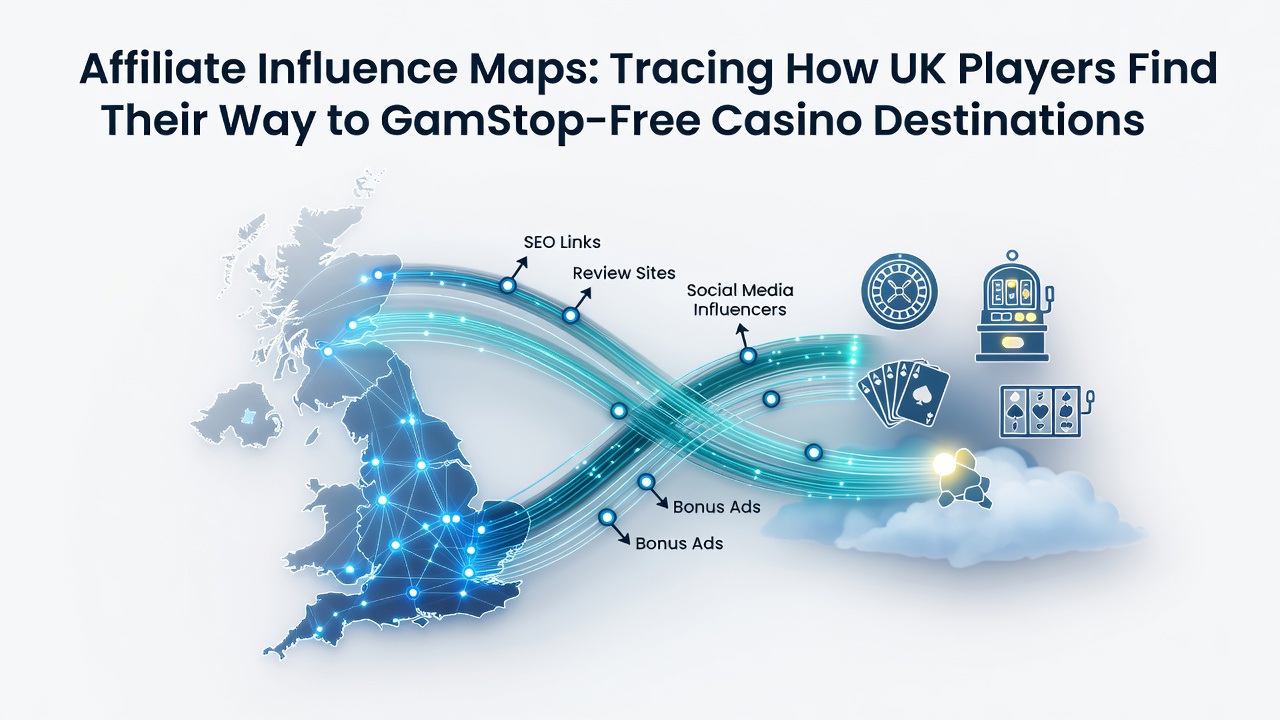
Affiliate influence maps function as visual and data-driven representations of the networks that connect UK players with GamStop-free casino destinations, and these maps highlight how marketing channels, review sites, and promotional partnerships direct traffic across borders. Researchers who track online gambling flows note that affiliates operate through structured referral systems where operators compensate third parties for player acquisitions, creating traceable patterns that emerge from search queries, social media shares, and email campaigns. Data compiled as of August 2026 shows these routes often begin with players searching for terms related to flexible deposit options or instant play features, then following links that lead to platforms licensed in jurisdictions outside the UK framework.Core Components of Affiliate Influence Maps
Experts map these influence networks by analyzing click-through rates, conversion funnels, and geographic traffic sources, revealing clusters around certain keywords and content types. One common pathway starts with comparison tables hosted on dedicated review portals that list payout speeds and game selections for sites operating under Curaçao or Malta licenses, and players move from those tables directly to sign-up pages. Industry observers point out that affiliate programs maintain detailed dashboards tracking performance metrics, allowing operators to adjust commission structures in real time based on which referral sources deliver sustained activity rather than one-time visits.
Another layer appears in video content and forum threads where users share experiences with verification-free registration processes, and these discussions frequently include affiliate links embedded in resource sections. Studies from the University of Las Vegas Nevada indicate that such user-generated pathways account for a measurable share of new registrations on offshore platforms, with traffic spikes correlating to seasonal events like major sports tournaments. The maps also capture how email newsletters and push notifications reinforce earlier visits, guiding players back through the same affiliate nodes when new promotions launch.
Traffic Sources and Player Navigation Patterns
Search engine optimization remains a primary driver within these maps, as affiliates optimize content for phrases that signal interest in alternatives to self-exclusion tools. Figures from the European Gaming and Betting Association reveal that organic search contributes the largest single slice of referrals to non-UK licensed sites, followed closely by paid social campaigns on platforms popular with younger demographics. Those who've examined the data observe that UK-based IP addresses appear prominently in analytics for certain offshore domains, often routed through VPN services that obscure exact origins yet still register in aggregate reports.
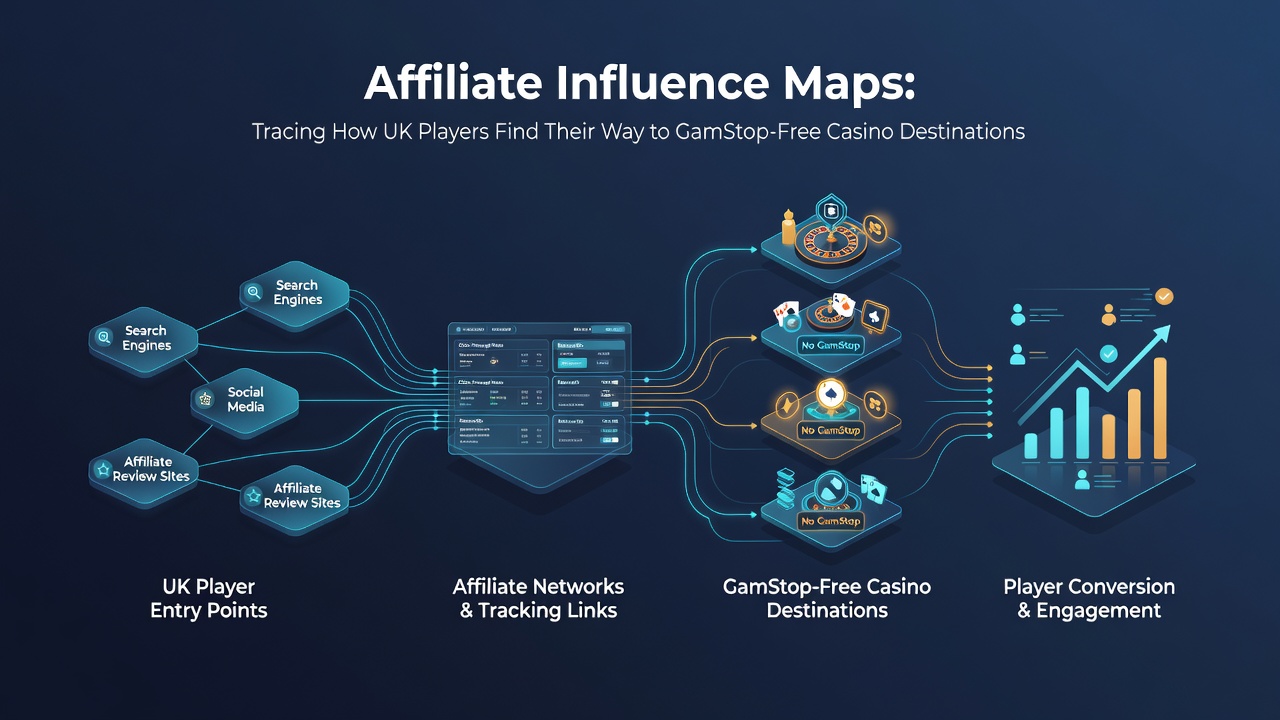
Case examples documented by market analysts include clusters of activity around niche review sites that update bonus listings weekly, and players who follow these updates tend to test multiple platforms in quick succession. Affiliates sometimes employ retargeting pixels that follow users across devices, prompting return visits when new game releases or cashback offers appear. This creates looped pathways on the influence maps where initial discovery leads to repeated engagement rather than isolated transactions.
Data Trends Observed in Mid-2026
Reports tracking affiliate performance through August 2026 highlight growth in mobile-optimized referral links, with smartphone traffic surpassing desktop sources for the first time in several monitored regions. Observers note that push notification campaigns tied to affiliate partnerships show higher retention rates when they feature time-limited incentives tied to specific game categories like crash titles or live dealer tables. Regulatory filings from bodies such as the Malta Gaming Authority document how licensed operators must report affiliate expenditure separately, providing clearer visibility into the scale of these influence networks compared to earlier years.
Patterns also emerge around seasonal content calendars, where affiliates publish updated guides coinciding with regulatory announcements elsewhere in Europe, and UK players respond by exploring the mapped alternatives. Cross-border payment processors appear as key nodes on many maps because they facilitate transactions that bypass traditional banking restrictions, and affiliates often highlight these processors in their promotional materials to reduce friction during sign-up.
Conclusion
Affiliate influence maps continue to evolve as new data layers from analytics platforms and regulatory disclosures become available, offering clearer pictures of how UK players locate and engage with GamStop-free destinations. These networks rely on interconnected referral mechanisms that adapt to shifting search behaviors and promotional tactics, maintaining steady traffic flows even as individual sites adjust their offerings. Continued monitoring by international bodies and academic researchers provides ongoing snapshots of these pathways, documenting the mechanisms without predicting future shifts.